
The Future of the Bicycle and Mobility Transition, or When Is a Bike Just a Bike
The distinction between an electric bicycle (EPAC) and a motor vehicle has far-reaching implications for the future development of the bicycle as an integral part of the mobility transition and for inclusion.
Background
At the European level, the discussion is gaining momentum regarding when bicycles with electric motor assistance are considered bicycles (pedelecs, EPACs) and when they are classified as motor vehicles. This is regulated by an EU regulation.
Examples from Australia and the Netherlands show that there is a need for action to establish a new, easily verifiable, and clear legal distinction from a motor vehicle:
- In the Netherlands, many electric bicycles were sold that do not meet the current legal requirements for a pedelec/EPAC but generally reach very high speeds even without pedaling. Legally, they are clearly motor vehicles. Now, in response to the problems that have arisen, lawmakers are banning all pedelecs/EPACs from cities, for example, through coercive measures.
- In Australia, the sale of pedelecs capable of accelerating too rapidly has caused such significant problems in some regions that certain states have implemented a minimum age of 16 for pedelecs/EPACs and a mandatory helmet requirement. No distinction is made between users of illegal and legal products.
Impact
The issue of classification could be decisive for the mobility transition and has a significant impact on inclusion and on how safe cycling will be in the future:
- The current regulation allows lightweight bicycles to accelerate at speeds similar to those of motorcycles. This poses a safety risk.
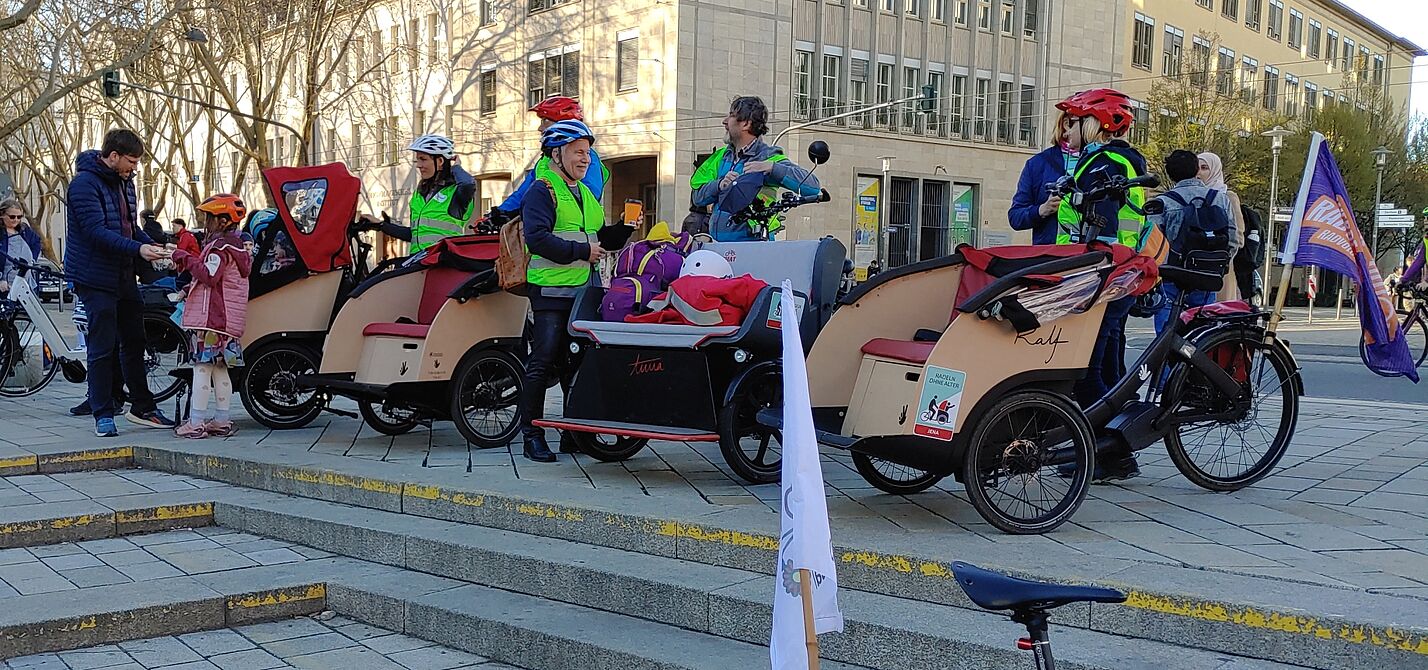
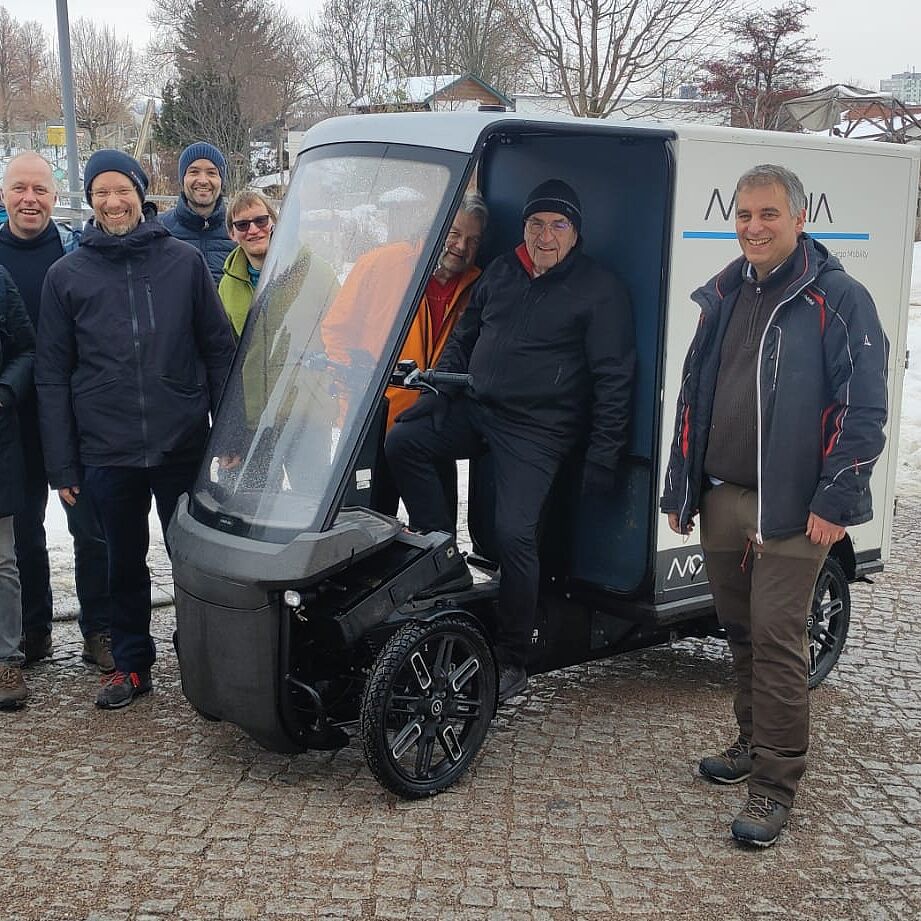
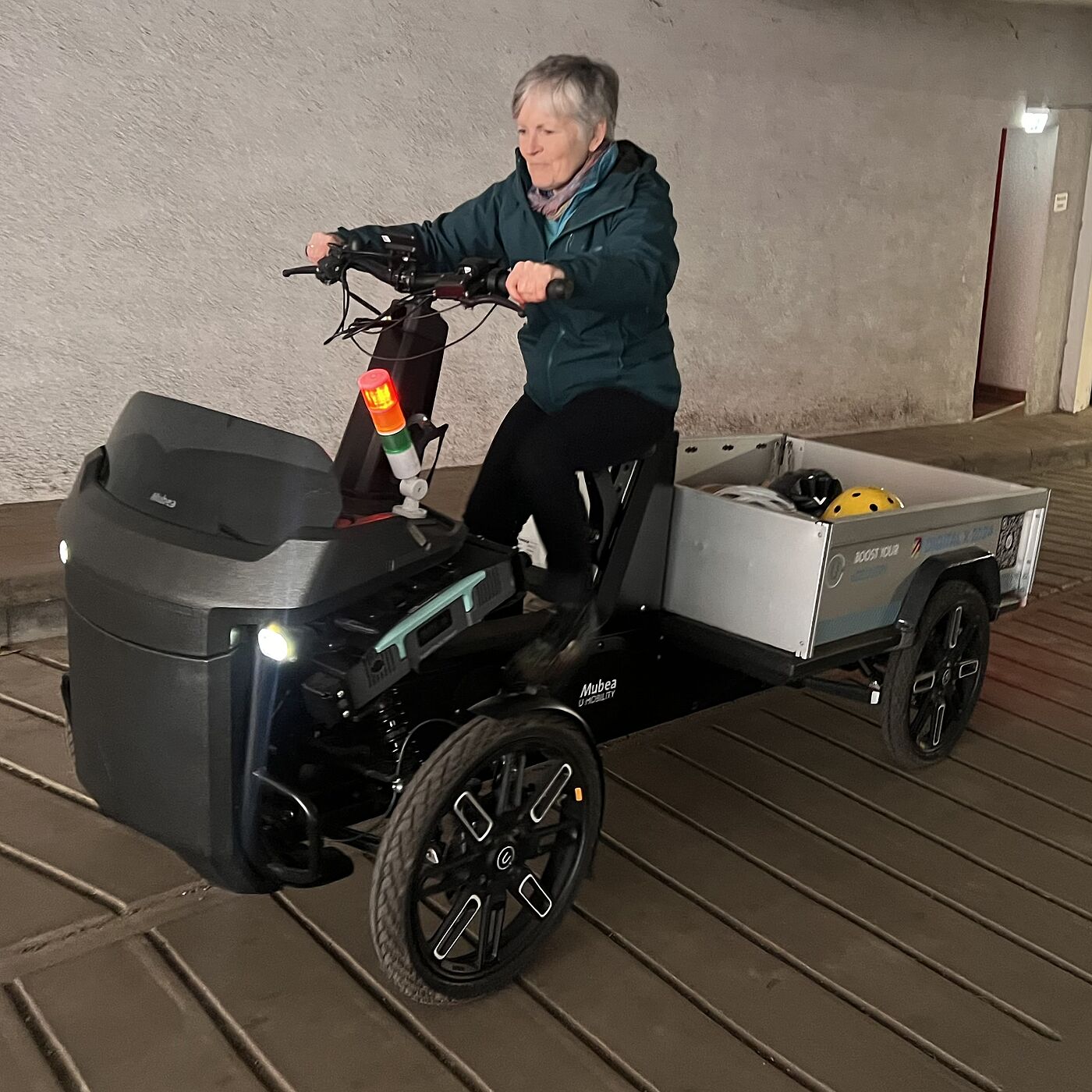
- A proposal currently under consideration aims to limit the weight and motor power of pedelecs. For us, this is non-negotiable: It would significantly restrict the use and future development of heavier family bicycles—including those with child trailers—bicycles that enable inclusion, and cargo bikes used as alternatives to cars for local mobility. They would either require registration or be equipped with motors so weak that they could no longer climb steep hills.
Our Proposal
We have therefore taken up and further developed a proposal within the Technology Working Group established in Thuringia—which includes specialists from Lower Saxony, Baden-Württemberg, Bavaria, Switzerland, and Thuringia (and is still seeking additional support)—that ensures safety without restricting development. In short, it states:
- A bicycle is a bicycle when it behaves like an unassisted lightweight bicycle on flat asphalt without a headwind. Without further technical specifications or restrictions, this is achieved by implementing a maximum assisted acceleration and a maximum assisted top speed into the motor control system.
- The motor should merely compensate for the resistances that make cycling difficult (inclines, weight, terrain, headwinds, etc.), but should not enable accelerations that are atypical for bicycles.
The adjacent blue box contains links to further explanations of our proposal, such as our motion to the ADFC Federal-State Council along with its attachments.
Status of the Discussion
ADFC
Our proposal was taken up by the ADFC’s Federal-State Council and adopted in a modified form. The council does not yet wish to commit to a specific performance curve for engine regulation in the context of the European-level discussion and has, for now, established key principles.
Cycling
Cyclists would like to have plenty of power at the rear wheel. We see no contradiction in this. Why shouldn’t vehicles that would normally require special permits on the road be allowed at sporting events?
More support for people with limited leg or arm strength
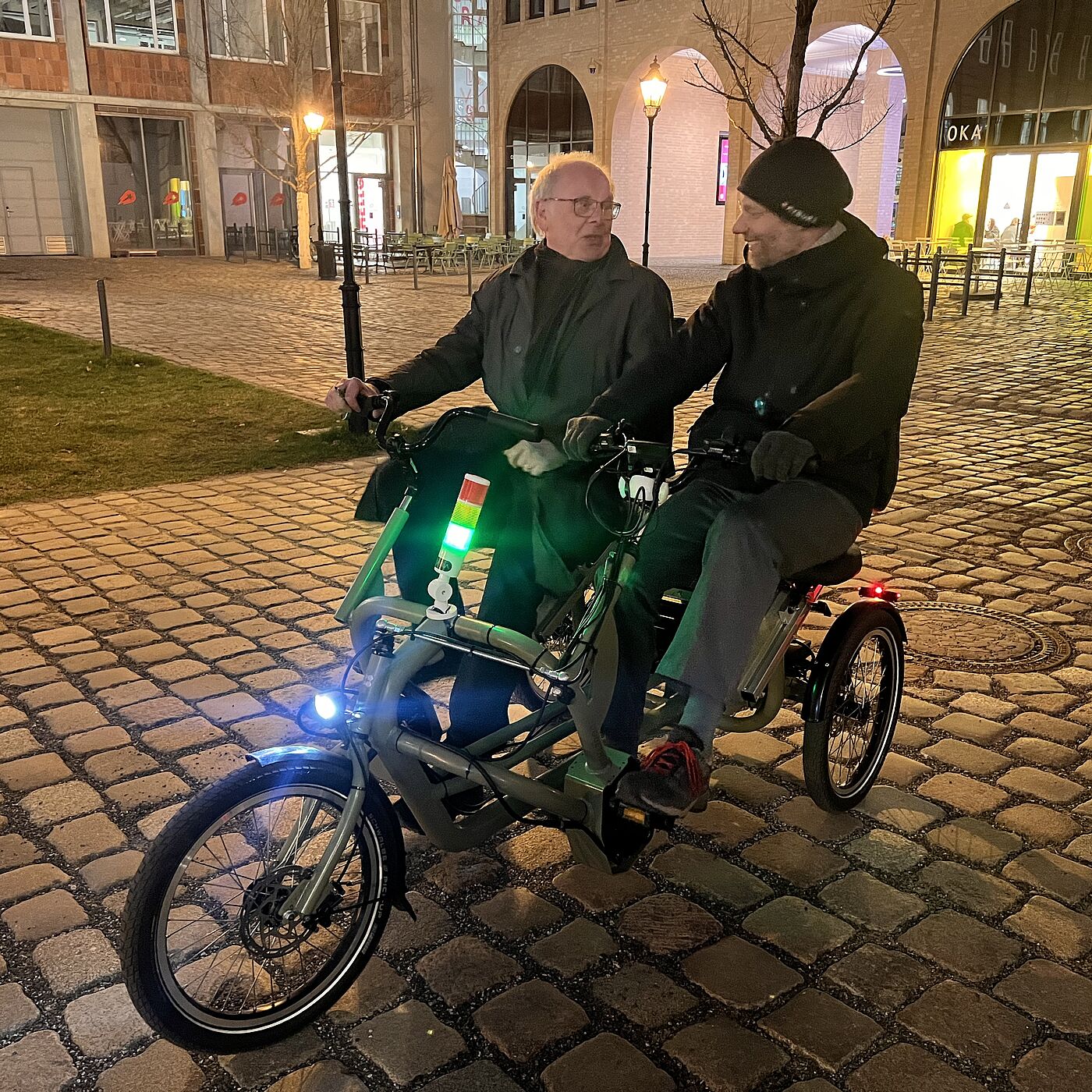
Disability organizations believe that our regulation’s reliance on pedaling power does not go far enough in terms of inclusion. Under our proposal, a handbike operated at 50 watts could accelerate to a maximum of 15 km/h. A speed of 25 km/h is also desired. We agree with this objection. For example, a different performance curve could be used for handbikes, allowing 25 km/h at 50 watts. Why shouldn’t a person who cannot use their legs at all or only to a very limited extent be able to ride a handbike at 25 km/h as well and, for example, work in the logistics industry to transport cargo trailers to distribution stations for local delivery drivers?
Should bike lanes be kept clear of cargo bikes?
Some people argue that they don’t want cargo bikes or other heavier vehicles on bike lanes. To us, this is a sign that many of today’s bike lanes aren’t designed to accommodate more bicycles for local transportation. But what would be the argument against a cargo bike if there’s enough space, for example, on a bike-friendly street?
Our opinion is that cargo bikes are the far better option compared to today’s delivery vans, which not only deliver packages but also tend to clog up bike lanes. We find the question valid. However, the answer should not be addressed in the vehicle registration regulations, but rather in the Road Traffic Regulations (StVO). Should the issue in question become acute, bicycles with special dimensions could be prohibited in unsuitable areas and directed into mixed traffic. After all, restrictions on trucks on certain roads or bridges are regulated in a similar manner.
Zulassungspflichtig?


Häufige Fragen von Alltagsfahrer*innen
Der Allgemeine Deutsche Fahrrad-Club (ADFC) setzt sich mit seinen mehr als 240.000 Mitgliedern mit Nachdruck für die Verkehrswende in Deutschland ein. Wir sind überzeugt davon, dass eine gute, intuitiv nutzbare Infrastruktur, gut ausgearbeitete Radverkehrsnetze und vor allem Platz für Rad fahrende Menschen auch dazu einladen, das Fahrrad als Verkehrsmittel zu benutzen. Wir möchten eine sichere und komfortable Infrastruktur für den Radverkehr, damit sich Fahrradfahrende in jedem Alter sicher und zügig fortbewegen können. Hierfür setzen wir uns auf politischer Ebene ein. Zugleich sind wir Ansprechpartner zu allen Fragen rund ums Fahrrad - vom Tourismus über die Technik bis hin zu den rechtlichen Rahmenbedingungen.
weiterlesenRadfahren muss sicherer und komfortabler werden. Wir setzen uns deshalb auf Bundes-, Landes- und kommunaler Ebene für die Interessen von Radfahrer*innen ein. Sie als Mitglied unterstützen uns in diesem Engagement. Wenn Sie mit dem Rad unterwegs sind, können Sie mit Ihrer ADFC-Mitgliedskarte außerdem deutschlandweit auf die AFDC-Pannenhilfe zählen. Mit unserem zweimonatlich erscheinenden ADFC-Magazin "Radwelt" erhalten Sie regelmäßig Informationen rund um alles, was Sie als Radfahrerin oder Radfahrer politisch, technisch und im Alltag bewegt. Darüber hinaus haben wir vorteilhafte Sonderkonditionen mit Mietrad- und Carsharing-Anbietern sowie Versicherern und Ökostrom-Anbietern ausgehandelt. Sie sind noch kein Mitglied? Dann nutzen Sie jetzt die Gelegenheit, es zu werden!
weiterlesenWir können die Frage eindeutig bejahen, wobei wir Ihnen die Auswahl dennoch nicht leicht machen: Der ADFC-Radurlaubsplaner „Deutschland per Rad entdecken“ stellt Ihnen mehr als 165 ausgewählte Radrouten in Deutschland vor. Zusätzlich vergibt der ADFC Sterne für Radrouten. Ähnlich wie bei Hotels sind bis zu fünf Sterne für eine ausgezeichnete Qualität möglich. Durch die Sterne erkennen Sie auf einen Blick mit welcher Güte Sie bei den ADFC-Qualitätsradrouten rechnen können.
weiterlesen
